Executive Summary
Artificial intelligence is not simply a new productivity tool; it is a new layer of managerial infrastructure that changes how firms sense, decide, coordinate, and control. The core shift is from management as supervision of human labor toward management as orchestration of human, digital, and algorithmic work systems.
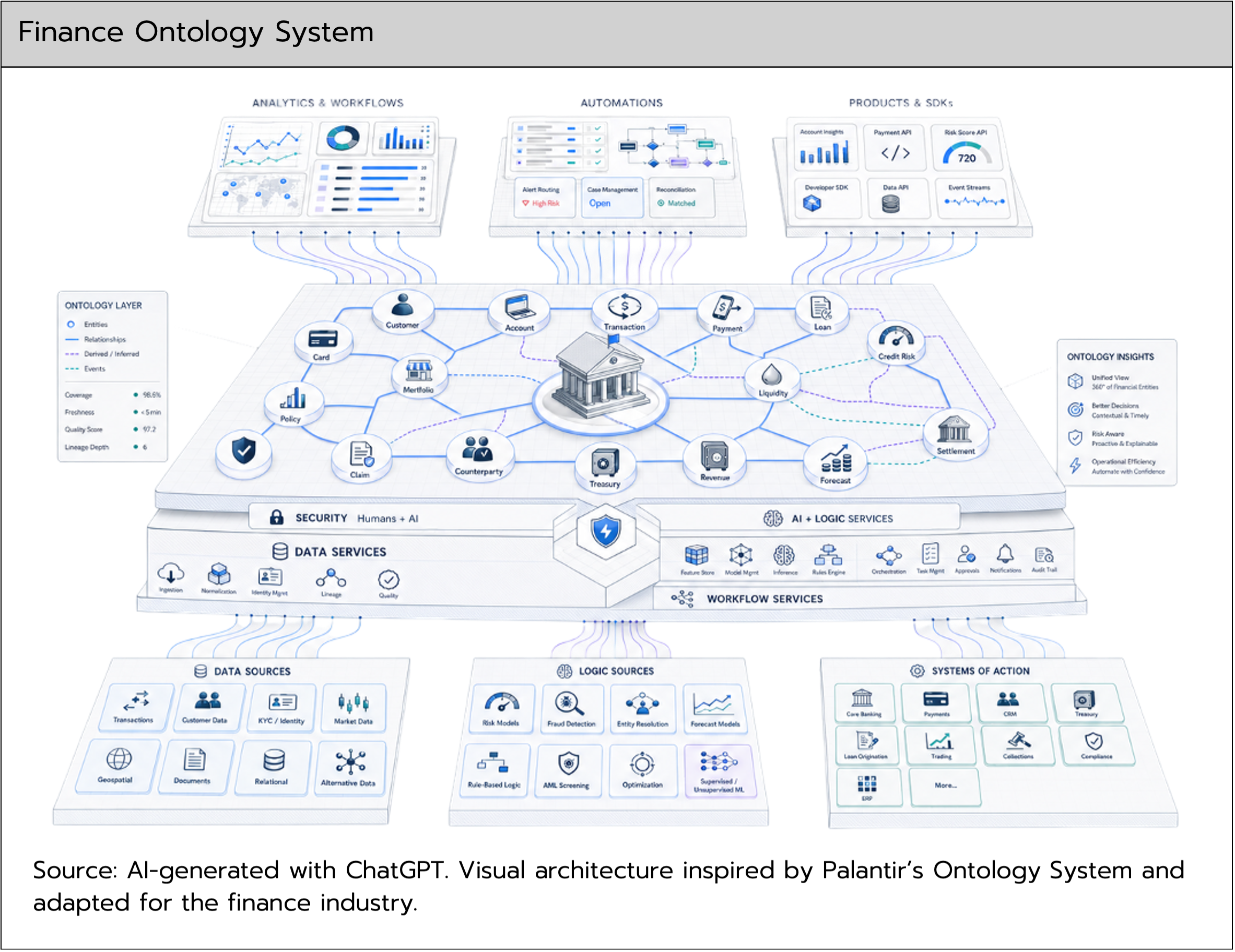
The companies creating advantage from AI are not those with the most pilots, but those that connect four layers into a coherent transformation stack: data, models, workflows, and organization. Competitive advantage increasingly comes from proprietary data assets, workflow redesign, and the ability to embed AI into operating routines rather than from model access alone.
The largest managerial problem is no longer adoption; it is the gap between experimentation and scaled value capture. Surveys from major consulting firms show broad AI use, but materially fewer organizations have translated use into enterprise-wide process redesign, governance discipline, and measurable financial impact.
A major hidden risk is that AI can improve short-term efficiency while undermining long-term organizational capability. If firms automate junior analytical, drafting, and coordination tasks without redesigning apprenticeship, they risk hollowing out the entry-level pipeline from which future managers learn judgment, context, and tacit knowledge.
Managerial accountability becomes harder, not easier, in AI-enabled environments. As decisions are increasingly informed by opaque or probabilistic systems, organizations face a paradox: decision quality may improve in some domains while clarity over ownership, contestability, and auditability declines.
The most dangerous operational failure mode is uncontrolled diffusion through “shadow AI.” When employees adopt unapproved tools outside formal controls, firms expose themselves to data leakage, compliance breaches, fragmented practices, and invisible model dependencies that management cannot oversee effectively.
Great managers in the AI era will be differentiated less by information possession and more by judgment, systems thinking, trust-building, and orchestration. The winners will know when to automate, when to keep humans in the loop, and how to build institutions that learn faster than the technology shifts beneath them.
Conclusion: What Will Define Great Managers in the AI Era
Great managers in the AI era will not be those who simply use AI more often than others. They will be those who can combine technological fluency with judgment, accountability, organizational design, and trust creation.
The defining capability will be orchestration: knowing how to allocate work between humans and machines, how to preserve learning while automating execution, how to govern without suffocating innovation, and how to keep responsibility legible in increasingly opaque decision systems.
What many still misunderstand is that AI does not remove the need for management; it raises the quality threshold for it. As AI makes routine cognition cheaper, the scarce managerial resources become discernment, institutional memory, moral judgment, and the ability to build organizations that can adapt faster than any single model cycle.